In today’s fast-paced digital world, having a simple online presence is no longer enough to stay competitive. Customers are constantly exposed to a flood of advertisements, social media updates, promotional emails, and branded messages every single day. With so much content competing for attention, businesses must find smarter ways to cut through the noise and truly connect with their audience. That’s where effective content marketing strategies play a vital role.
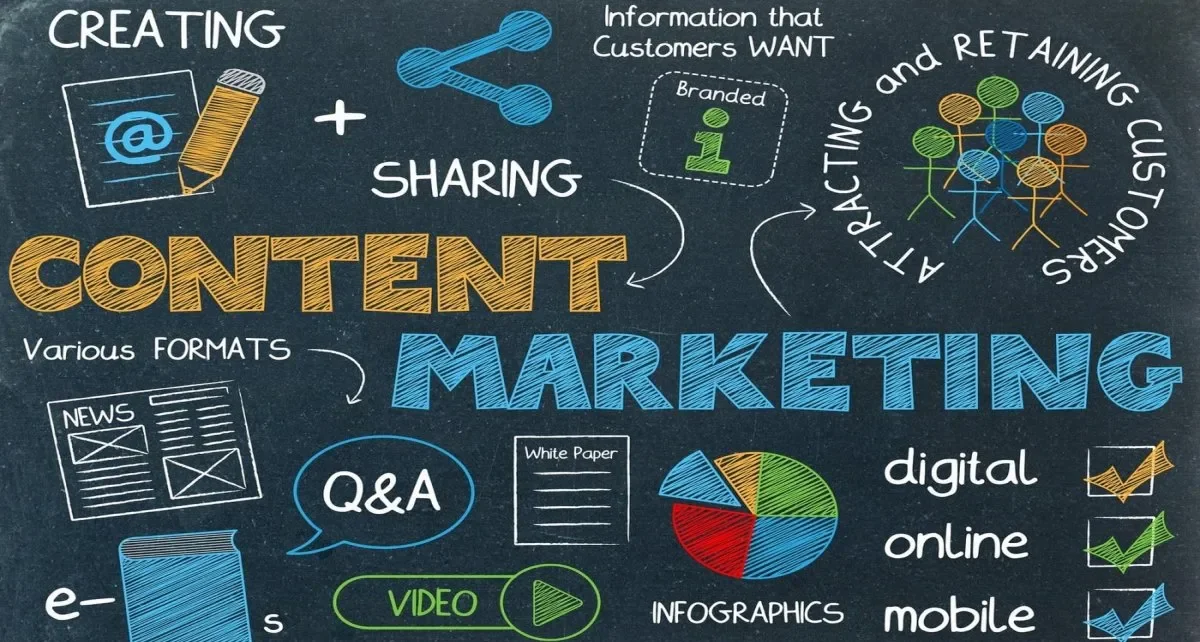
Content marketing goes beyond just posting online—it’s about creating valuable, relevant, and engaging content that resonates with your audience, builds trust, and motivates them to take action. When applied correctly, these strategies can strengthen brand awareness, foster loyalty, and generate long-term conversions. The key is knowing which tactics work best for your business and implementing them consistently.
To help you get started, here are 10 powerful content marketing tactics you can use to boost engagement and achieve measurable results. For tailored strategies that fit your business, feel free to contact me today!
1. Create Audience-Centered Content
The first rule of successful content marketing is knowing your audience inside and out. Many businesses make the mistake of creating generic blogs, social posts, or videos without truly understanding who they are speaking to. As a result, their efforts fail to resonate, leading to low engagement and poor conversions. To avoid this, you need to focus on developing a deep understanding of your target audience — their goals, pain points, challenges, and interests.
Effective content marketing strategies begin with audience research. This involves using tools like surveys, polls, and feedback forms to collect real insights directly from your customers. Analytics platforms such as Google Analytics and social media insights can also reveal valuable data about your audience’s online behavior, preferences, and demographics. In addition, creating detailed buyer personas allows you to build a clear picture of the people you are trying to reach.
When you shape your content around these insights, you create highly relevant material that feels personalized and engaging. Instead of simply producing content for the sake of it, you’ll deliver meaningful solutions that connect with your audience on a deeper level. This is what separates weak campaigns from powerful content marketing strategies that truly drive results.
2. Use Storytelling to Build Emotional Connections
People remember stories far more vividly than they remember raw facts or statistics. While data can provide proof, it is stories that spark emotions, build connections, and make your brand memorable. By weaving storytelling into your content, you move beyond simple promotion and begin creating experiences that resonate with your audience on a deeper, human level.
Think of how a customer success story can inspire others who face the same challenges. Sharing the journey of a client who achieved results with your product or service allows potential customers to see themselves in that story. Similarly, opening up about your brand’s beginnings, struggles, or milestones makes your business relatable and authentic. These narratives establish trust, which is one of the most powerful drivers of loyalty.
Storytelling-driven content marketing strategies transform your brand voice from being purely transactional to genuinely engaging. Instead of just telling people what you offer, you show them why it matters. This emotional connection encourages audiences to not only interact with your content but also take meaningful action—whether that means signing up, purchasing, or becoming long-term advocates of your brand.
3. Optimize for Search Engines (SEO)
Creating high-quality content is essential, but if your audience cannot find it, your efforts may go unnoticed. That’s why optimizing your content for search engines is just as important as creating it. SEO-based content marketing strategies ensure that your blogs, videos, and web pages reach the right people at the right time by appearing in search results when users are actively looking for solutions.
The process begins with keyword research identifying the exact words and phrases your target audience uses when searching online. By strategically incorporating these keywords into your headlines, meta descriptions, headers, and body text, you improve your chances of ranking higher on search engines like Google. But keywords alone are not enough.
Additionally, technical elements such as page speed, mobile responsiveness, and user-friendly design contribute to SEO success. When combined with consistent publishing and valuable content, these SEO-driven content marketing strategies not only boost visibility but also attract organic traffic that is highly targeted and more likely to convert into customers. In short, SEO ensures your content works smarter, not harder.
4. Leverage Social Media Platforms
Social media is where most conversations and brand interactions happen today, making it one of the most powerful tools for businesses of all sizes. With billions of active users across platforms like Instagram, LinkedIn, Facebook, and even emerging channels like TikTok, the opportunities to connect with your audience are endless. By sharing different types of content such as blogs, short videos, reels, carousels, and infographics, you can amplify your reach and position your brand where your customers spend most of their time.
When paired with the right content marketing strategies, social media goes beyond simple posting. It serves as a space for meaningful engagement, authentic storytelling, and fostering communities. Tailoring your content for each platform is key: for example, LinkedIn works best for professional insights, Instagram thrives on visuals and reels, while Facebook helps with group interactions and broader audience engagement..
5. Incorporate Video Content
In the modern digital landscape, video stands out as one of the most engaging and adaptable content formats. Unlike text or images, video has the power to combine visuals, sound, and storytelling to capture attention within seconds. Whether it’s educational tutorials, product demonstrations, customer testimonials, or even behind-the-scenes clips, video helps brands communicate their message in a way that is both entertaining and informative.
Brands that adopt video-focused content marketing strategies often experience higher levels of engagement because video makes complex information easy to understand and more memorable. For example, a quick explainer video can simplify a complicated product feature, while a customer success story in video form can instantly build credibility and trust. In addition, short-form content like Instagram Reels, TikTok videos, and YouTube Shorts have proven to be excellent tools for increasing reach and virality.
What makes video especially powerful is its shareability. Viewers are more likely to share videos with their friends or networks, giving your content the potential to reach new audiences organically. With video consumption continuing to rise, businesses that integrate video into their content marketing strategies not only capture attention but also build stronger connections that lead to higher conversions.
6. Personalize Your Content

Personalization in marketing is no longer a luxury it has become an expectation for today’s consumers. In a world where customers are constantly exposed to endless content and promotions, generic messages are easily ignored. What truly makes an impact is content that speaks directly to an individual’s needs, preferences, and behaviors. By segmenting your audience and delivering personalized blogs, emails, or product recommendations, you not only capture attention but also make customers feel valued and understood.
Effective personalization goes far beyond simply adding a customer’s name in an email. Modern content marketing strategies leverage advanced tools like CRM systems, AI-driven analytics, and marketing automation to deliver tailored experiences at scale. For instance, an e-commerce brand might recommend products based on browsing history, while a SaaS company could send personalized onboarding emails to new users. These thoughtful touches create a sense of relevance that generic marketing simply cannot achieve.
7. Repurpose Existing Content
You don’t always need to start from scratch when creating new material. Repurposing existing content is one of the smartest ways to maximize your efforts while saving time and resources. A single well-researched blog post, for example, can be transformed into multiple pieces of content such as infographics, podcasts, slide decks, email newsletters, or even short social media posts. This approach allows you to breathe new life into existing work and continuously deliver value to your audience.
Repurposing also ensures that your message reaches people in the format they prefer. Some users may enjoy reading long-form blogs, while others may prefer watching a quick video or scrolling through an infographic. By adapting content into different formats, you increase accessibility and connect with a wider audience. Smart content marketing strategies rely on repurposing to maintain consistency across channels while reducing the need to constantly generate ideas from scratch.
8. Use Interactive Content
Audiences are more engaged when they actively participate instead of simply consuming content. Interactive content has become one of the most effective ways to capture attention and keep people involved with your brand. Tools such as quizzes, polls, surveys, calculators, assessments, and interactive infographics create a two-way experience, making users feel more connected and engaged with your content.
From a business perspective, interactive content marketing strategies go beyond engagement—they also generate meaningful data. Every response collected gives you insights into customer preferences, behaviors, and needs. This information can then be used to refine future campaigns, create more targeted offers, and improve overall personalization. By blending entertainment with utility, interactive content turns passive readers into active participants, building stronger relationships and driving higher conversion rates. It’s a win-win approach for both businesses and customers.
9. Focus on Consistent Publishing
Consistency is one of the most powerful yet overlooked elements in digital marketing. Audiences are far more likely to trust a brand that shows up regularly than one that posts content randomly. Whether it’s publishing weekly blogs, sending out monthly newsletters, or sharing daily updates on social media, sticking to a schedule demonstrates professionalism, reliability, and commitment to your audience.
When brands maintain consistency, they establish a rhythm that audiences come to expect and rely on. Over time, this creates familiarity, which is essential for building long-term trust and authority. For example, a business that consistently shares insightful blog posts positions itself as a thought leader, while a brand that posts engaging social media content daily remains top of mind for followers.
10. Measure and Improve Performance
Finally, no content strategy is truly complete without proper measurement and analysis. Creating and publishing content is only the first step what truly matters is understanding how that content performs. By using analytics tools such as Google Analytics, social media insights, or email campaign reports, you can track key metrics like traffic, engagement, click-through rates, and conversions. This data allows you to identify which types of content resonate most with your audience and which areas need improvement. Data-driven content marketing strategies take the guesswork out of decision-making, ensuring every piece of content serves a purpose. By consistently measuring and adjusting, you maximize results, boost engagement, and create a clear path toward higher conversions and long-term growth.
Final Thoughts
Effective content marketing strategies go beyond publishing random blogs or social media posts. They are about creating valuable, personalized, and engaging experiences that connect with your audience and encourage them to take action. By applying these 10 tactics—audience research, storytelling, SEO, social media, video, personalization, repurposing, interactivity, consistency, and measurement you’ll build stronger connections and drive long-term business growth.
When you focus on delivering the right content in the right way, you not only boost engagement but also inspire conversions that matter most to your brand. To take your business to the next level with tailored strategies, contact me!